
To quickly establish a solid foundation, prioritize mastering the control scheme. Familiarity with the buttons and functions can dramatically enhance your responsiveness in challenging situations. Spend time in training modes or flight legends game practice maps, ensuring you can execute basic maneuvers without hesitation.
Next, focus on understanding the mechanics of your aircraft. Each model has distinct characteristics; some excel in agility while others prioritize firepower. Experiment with various types to identify which aligns with your play style and learn to maximize their strengths in battles.
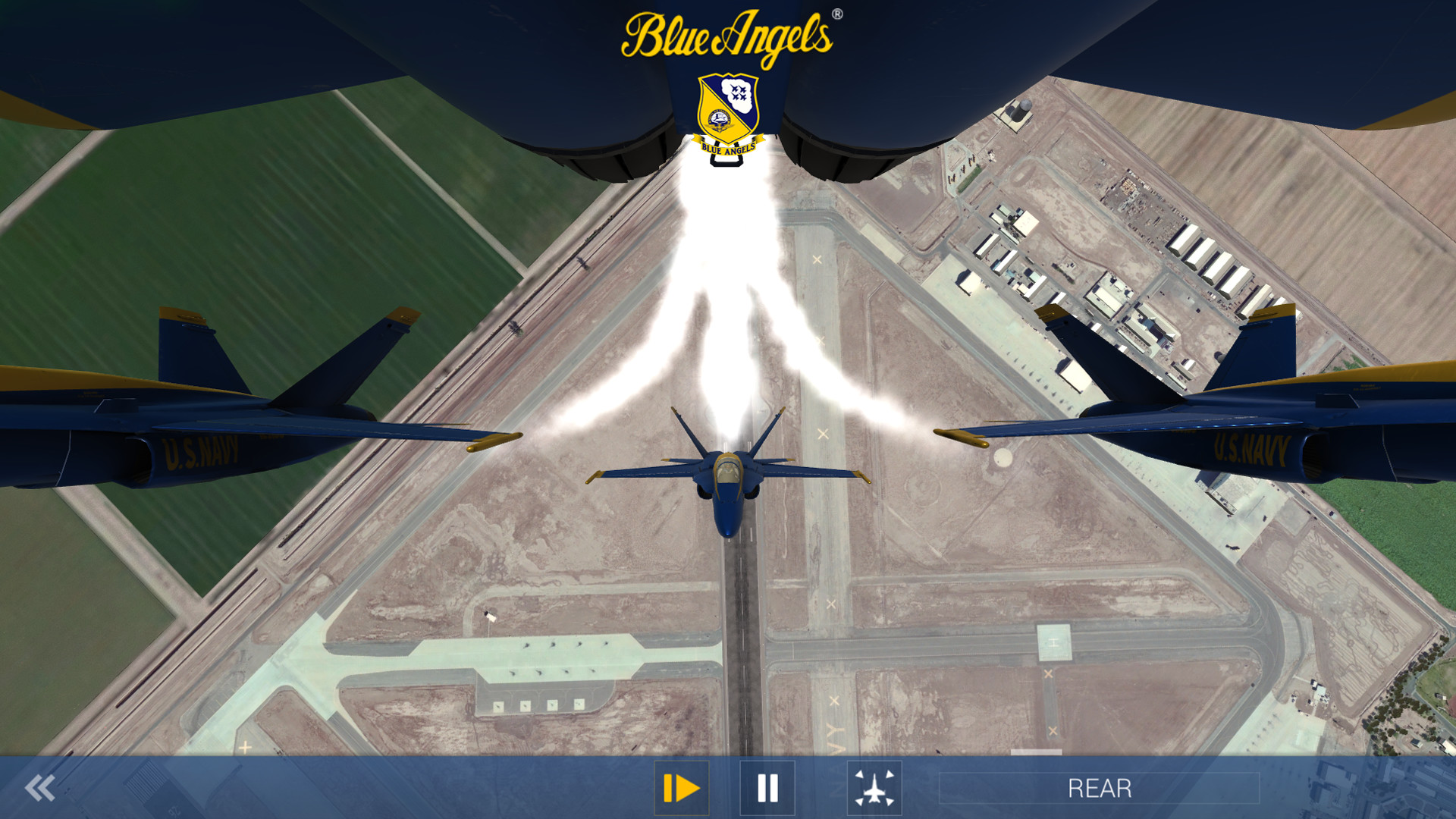
Forming a strategy around teamwork is another critical aspect. Communicate and collaborate effectively with your squad. Having clear roles can turn the tide of a skirmish, as coordinated offensives and timely support create overwhelming advantages against rival squads.
Lastly, always keep an eye on map awareness. Familiarize yourself with key locations for high-ground advantages, loot spawns, and escape routes. Anticipating enemy movements based on map dynamics can significantly enhance your survivability and overall performance.
Mastering the Basics of Aircraft Control
Prioritize practicing throttle control. Smooth acceleration and deceleration are keys to maintaining stability. Learn to balance power settings during ascent and descent. This prevents stalling during climb and ensures controlled descent. Using a joystick can give better tactile feedback compared to a keyboard.
Understanding Pitch and Yaw
Focus on pitch and yaw adjustments. For pitch, pull back gently for ascent and push down for descent. Observe how your aircraft responds and make small adjustments. Yaw control is best practiced through coordinated turns. Utilize rudder inputs in conjunction with ailerons for smoother cornering.
Mastering Roll and Trim
Become familiar with roll control, the key to level flying. Observe the aircraft's lateral stability and adjust using ailerons. Practice maintaining a straight line with minimal correction. Trim settings help manage control forces, ensuring comfort during prolonged flights. Familiarity with these settings leads to improved endurance.
Understanding Game Mechanics for Strategic Advantage
Prioritize mastering control dynamics. Each aircraft has unique handling, speed, and maneuverability profiles. Familiarize yourself with these traits to enhance your aerial combat effectiveness. Utilize custom settings to fine-tune control responsiveness, ensuring greater consistency during engagements.
Resource management plays a significant role. Track ammunition and energy levels meticulously; running low can lead to dire consequences. Focus on positioning to ensure optimal usage of available resources, allowing for sustained engagements without unnecessary risks. Analyze combat scenarios intelligently–assess when to retreat to conserve resources versus when to pursue an attack.
- Prioritize aircraft specifications according to your style.
- Choose equipment that complements your role in battles.
- Engage in practice scenarios to refine skills and develop familiarity with various aircraft abilities.
Building a Balanced Team Composition for Missions
Avoid overly specialized squads. Create a balanced team by incorporating various roles such as healers, DPS (damage per second), and tanks. This diversity ensures you can handle different mission scenarios effectively.
Assign roles based on personal strengths and playstyles. If a participant excels in support, focus on healer or buff roles. Conversely, if someone enjoys aggressive play, allocate them to damage-dealing positions. This alignment increases overall team performance.
Consider synergy among team members. For example, pairing area-of-effect damage dealers with crowd control specialists allows for greater efficiency in eliminating groups of enemies. Combining different abilities can lead to dominating strategies.
Ensure the inclusion of versatile characters. Characters capable of fulfilling multiple roles can adapt to changing circumstances during missions. This flexibility can be a significant asset when faced with unexpected challenges.
Balance offensive and defensive capabilities. While high DPS is alluring, neglecting defensive strategies can lead to quick defeats. Employ tanks to absorb hits and protect more vulnerable allies. Such planning translates into longer survivability during tough missions.
Adapt to specific mission requirements. Study the objectives and enemy types beforehand. Some missions may demand more healing due to high damage from opponents, while others might need heavy offense to meet time constraints.

Experiment with team compositions regularly. Not every combination yields success right away. Try different group setups in casual runs to discover which synergistic dynamics enhance collective effectiveness.
Review past missions and adjust accordingly. Analyze which compositions performed well and which didn’t. Use this data to refine future team setups, ensuring continuous improvement in mission outcomes.